
GARAGE DOOR ROLLER SERVICE · IRVING, TX
Garage Door Roller Repair & Replacement in Irving, TX
Grinding, rattling, or a door that shakes and jerks as it moves. Good news first: if that’s what you’re hearing, it’s often the least expensive repair on a garage door, not the most. Irving Garage Crew diagnoses and replaces worn garage door rollers across Irving, and we’ll tell you plainly if the real cause is actually the track, a hinge, or something else, before you pay for the wrong fix.
Call now: (945) 330-6999. Same-day roller diagnosis for most Irving homes.
- Same-Day Diagnosis
- Roller, Track & Hinge Differential Check
- Real Price Before We Touch the Door
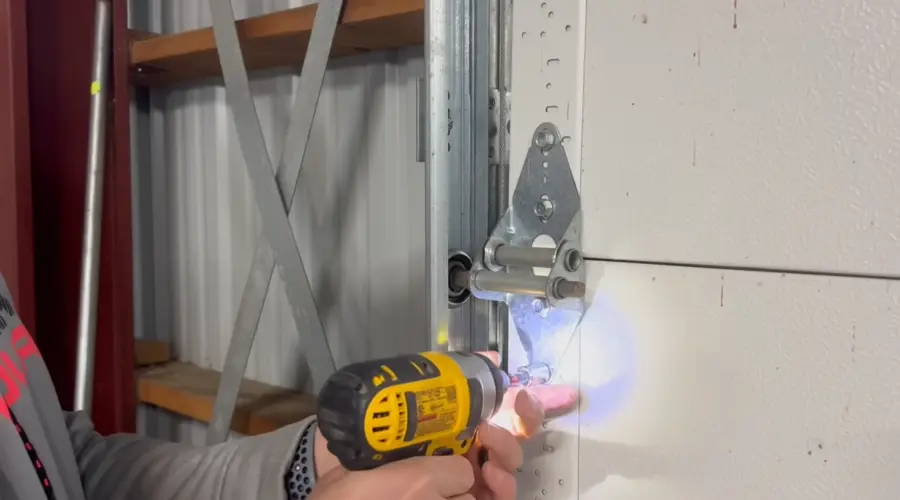
IS IT THE ROLLER?
Is It the Roller, the Track, or a Hinge?
These three get confused constantly, and the fix is different for each, so it’s worth two minutes to watch the door move through a full cycle before assuming which one it is.
Constant Grinding or Roughness
Gritty, constant vibration the whole way up and down often points to worn, dry, or dirty rollers, though a bent track can feel similar. Worth a proper look.
A Catch or Jerk at One Spot
Hanging up at the exact same point every cycle usually points to the track, not the roller, but a damaged roller can cause a similar hitch.
Shaking at a Hinge
Shaking isolated to one hinge point usually means the hinge, though it can be hard to tell apart from a roller issue without a hands-on check.
Signs Your Rollers Actually Need Attention
| What You Notice | What It Usually Means |
|---|---|
| Grinding or a gritty, constant vibration through the whole travel | Often dry, dirty, or worn rollers skidding instead of rolling smoothly |
| Wobble or a bumpy ride mid-cycle | Often a flat-spotted or cracked wheel |
| Visible cracks, chips, or flat spots on the wheel | The roller itself is the likely cause |
| Door drags or sticks partway through the track | Could be the roller, could be a bent section of track, worth a proper look |
| A roller has popped out of the track | Often a worn or bent stem, sometimes a bent track, needs inspection either way |
If the door feels heavy, tilts to one side, or shakes violently with no gradual buildup, stop using it and call. That pattern usually points to the spring and balance system rather than the rollers, and it’s covered in more depth on our garage door spring repair page.
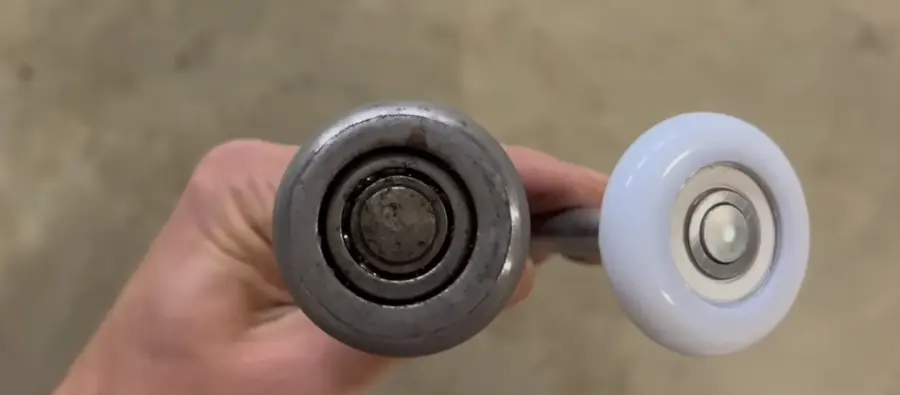
A nylon roller (left) and a steel roller (right): both wheels ride on the same kind of stem and bearing assembly.
NYLON OR STEEL
Nylon or Steel?
Nylon rollers ride quieter against the track than steel does, and they won’t rust the way an exposed steel roller can once its coating wears through. They can chip under a hard impact, and older nylon can get brittle with age and sun exposure. Steel rollers cost less up front, run louder since it’s metal moving against metal, and can corrode over time once a protective coating wears through. Bearing quality matters as much as the wheel material: a well-built roller with good bearings will generally outperform a cheaper roller of the other material. The difference most homeowners actually notice day to day is noise and long-term corrosion resistance, not one material simply outlasting the other.
You’ll see sellers advertise a specific number of ball bearings alongside a specific cycle count, for example a claim that more bearings automatically means tens of thousands more cycles of life. We looked into this directly. Even within one well-known roller manufacturer’s own lineup, one specific tested product is rated for 55,000 cycles at a stated door weight, while a different, higher-priced product from the same company carries a vaguer lifetime guarantee with no comparable test figure attached. The number that actually applies depends on the specific roller and how it was tested, not a simple rule about ball count. We’ll tell you what we’re actually installing and why, not a cycle number pulled from a chart.
ONE OR ALL?
Should You Replace One Roller or the Whole Set?
There’s no rule that says every roller has to be replaced at once. What actually matters:
- A single cracked, chipped, or seized roller with the rest in good shape is reasonable to replace on its own.
- Several rollers showing similar wear usually means replacing the set. They’re typically installed together and share a similar age and cycle history, so a single fresh roller among several worn ones won’t fix an uneven, noisy door.
- If the noise comes back after replacing just one, the remaining rollers should be inspected for comparable wear rather than assumed fine just because they haven’t failed yet.
We’ll look at all of them, tell you honestly which case you’re in, and never assume you need a full set just because that’s the bigger job.
PRICING
What Roller Repair and Replacement Costs in Irving
A full set, professionally installed, typically runs $100 to $350, depending on the number of rollers, the material and bearing quality you choose, and whether track cleaning or a hinge check is bundled in. A single roller or small repair usually costs well under that; parts alone run a few dollars each.
| Situation | Typical Range |
|---|---|
| Single roller or small repair | Well under a full-set price |
| Full set, professionally installed | $100–$350 |
| Track cleaning or hinge check, if bundled in | Included or quoted separately on site |
What actually moves the price within that range: how many rollers need replacing, nylon versus steel, sealed versus unsealed bearings, and whether we find related wear on the track or hinges while we’re already in there. We’ll show you what we find and price it before doing anything extra.
SAFETY
Why Bottom Rollers Are Different
Not every roller carries the same risk to work on. Top and middle rollers sit in brackets that are separate from the door’s cable and spring system, which is a meaningful difference for risk. Even so, a garage door is a heavy, spring-loaded assembly, and getting a roller’s size or fit wrong can create bigger problems down the line.
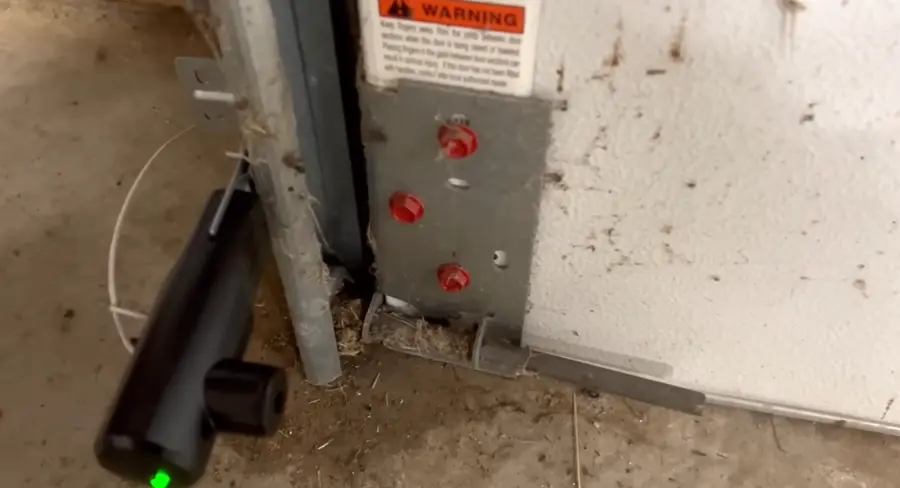
The bottom roller is different in a more serious way: its bracket is also where the lift cable attaches, and that cable stays under tension from the spring system any time the door is closed. Opening that bracket without professionally relieving that tension first can release stored force suddenly, turning hardware into a projectile. We’re not going to walk through that process here, and we wouldn’t recommend attempting it without training. If your bottom roller has popped out or looks damaged, leave the bracket alone and call.
THE PROCESS
What Happens When We Come Out
You describe the noise.
Grinding, wobbling, popped out of the track, whatever you’re seeing gets you a real read on what it’s likely to be before a truck leaves.
We diagnose on site.
Roller, track, or hinge, confirmed by watching the door move through a full cycle, not guessed from a description alone.
We match the roller to your door.
Type, size, and bearing quality, and we tell you whether one roller or the full set makes sense.
We service the hardware, then test.
The track is inspected and cleaned, and the moving hardware, hinges, roller stems, and bearings, is lubricated according to the roller and door manufacturer’s guidance. We don’t grease the track surface itself; that attracts grit and makes noise worse, not better. Then we run a full open-close cycle to confirm it’s smooth and quiet.
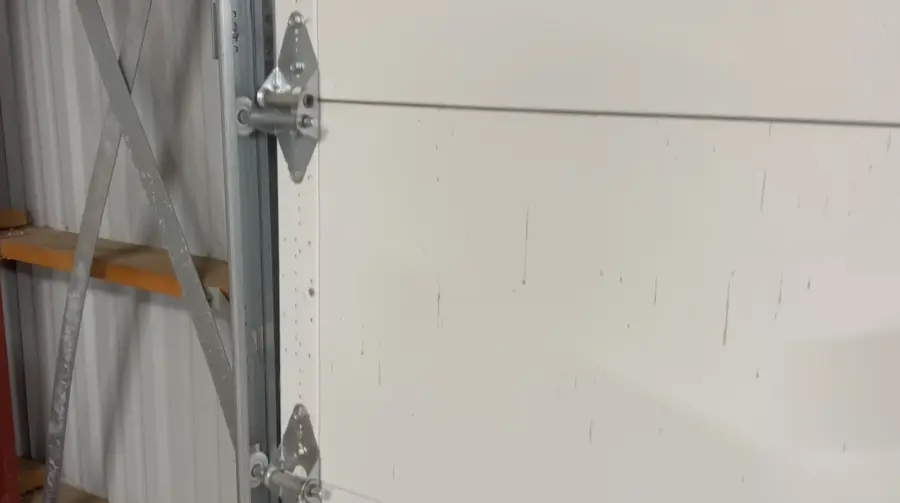
The track and surrounding hardware after a completed roller repair.
Most roller jobs are finished in about an hour.
FAQ
Garage Door Roller Repair FAQs
Garage Door Making Noise? Call the Crew.
Grinding, rattling, or shaking as it moves? Same-day roller diagnosis across Irving, TX. Real price on the phone, real technician at your door.
Call (945) 330-6999Irving Garage Crew · 4157 W Northgate Dr, Irving, TX 75062
Rollers are only one part of the job. For springs, openers, and full-door service across Irving, explore our complete garage door repair services.